
Health Food History
<
Back to all
Books Archive
No items found.
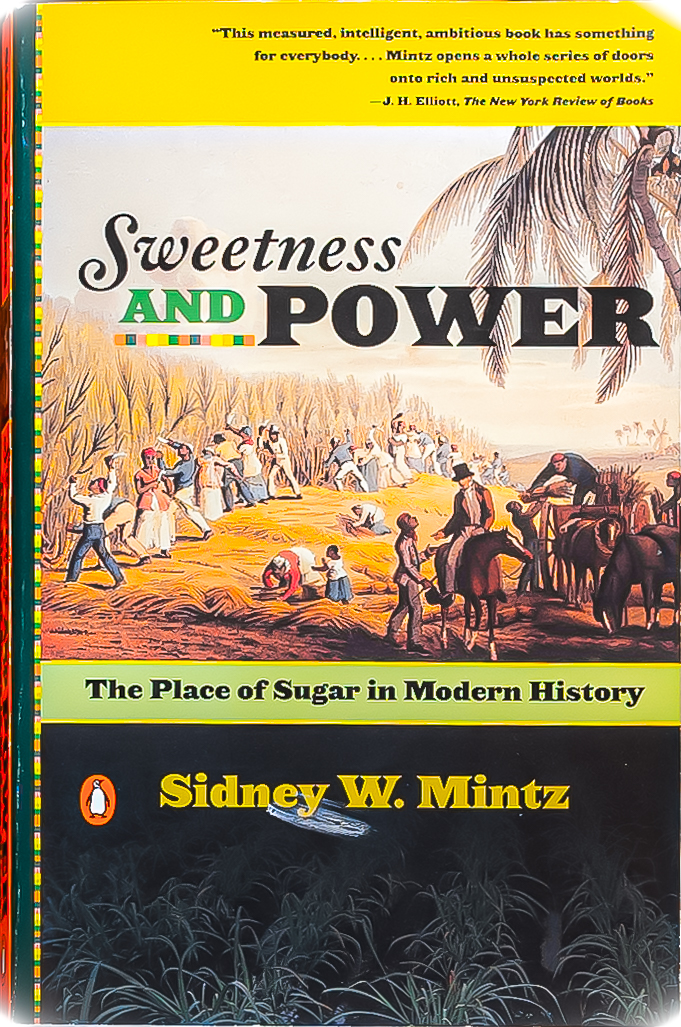
Sweetness and Power
1985
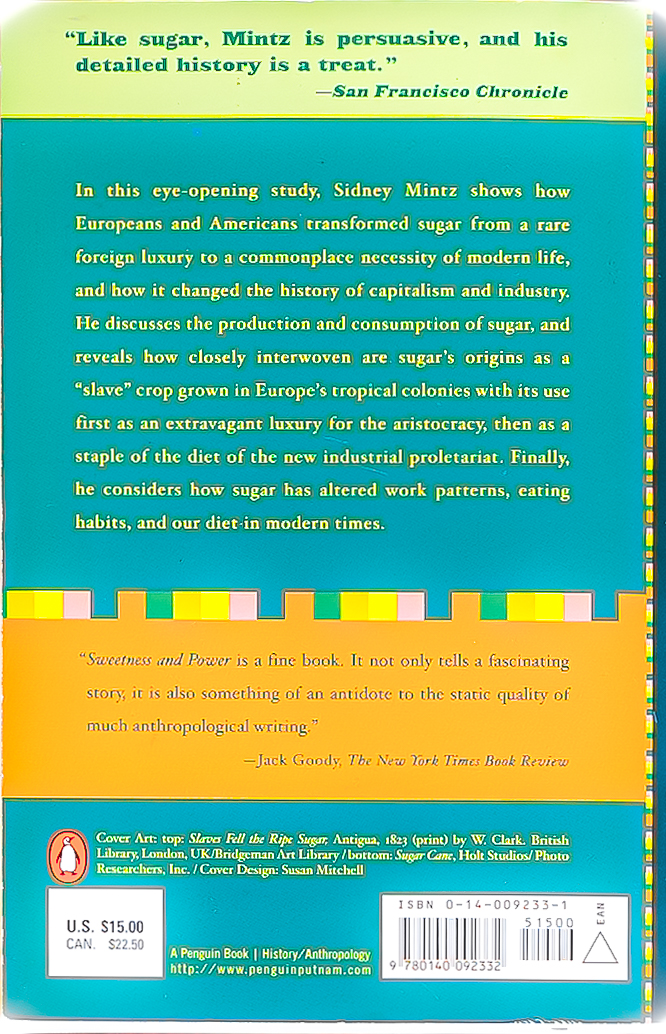
The book explores how sugar transformed from a luxury good into a global staple, revealing its central role in shaping capitalism, colonialism, and modern consumer culture.
Key Takeaways:
- Traces sugar’s evolution from rare luxury to cheap staple, showing how it reshaped diets, class habits, and daily rituals in Europe and the Americas. Goodreads+1
- Connects sugar production to slavery, colonial plantations, and the rise of industrial capitalism, arguing that a single commodity can reorganize global labor and trade.
- Explores how sugar consumption became tied to respectability, energy, and comfort, making it psychologically and culturally sticky even as health concerns grew.
- Provides a model for “commodity history” that later scholars applied to coffee, chocolate, bananas, and other foods central to modern eating.
Categories
Sweet And Dangerous
No items found.



© Health Food History 2025.
© Split Plate: The Untold History of America's Natural Food Movement 2025.
All rights reserved.
© Split Plate: The Untold History of America's Natural Food Movement 2025.
All rights reserved.