This site is not yet mobile friendly.

Please enter your email to recieve a link at your desktop or laptop computer:
Please check these boxes if you would like to join our mailing lists:
Thank you! Your submission has been received!
Oops! Something went wrong while submitting the form.

Join our
documentary
Film Series

project

We are currently looking for partners to join us in bringing Split Plate: The Untold History of America's Health Food Movement to life.

Join our
documentary
Film Series

project

The Untold History of America's Natural Food Movement
ITS ECCENTRICS, FANATICS,
AND VISIONARIES

A multi-episode documentary series featuring many of the world's leading experts on health food and natural health- exploring the history,  controversies and conspiracies around what and how Americans eat, nourish, and heal themselves.

We are currently looking for documentary filmmakers who would like to join us in bringing Split Plate: The Untold History of America's Health Food Movement to life.

Eccentrics, fanatics & visionaries

Split Plate is bringing the Eccentrics, Fanatics and Visionaries of the health-food movement back to life, celebrating the pioneering women and men who shaped America's modern natural food landscape.

Just A few of the notable eccentrics & pioneers in our story:

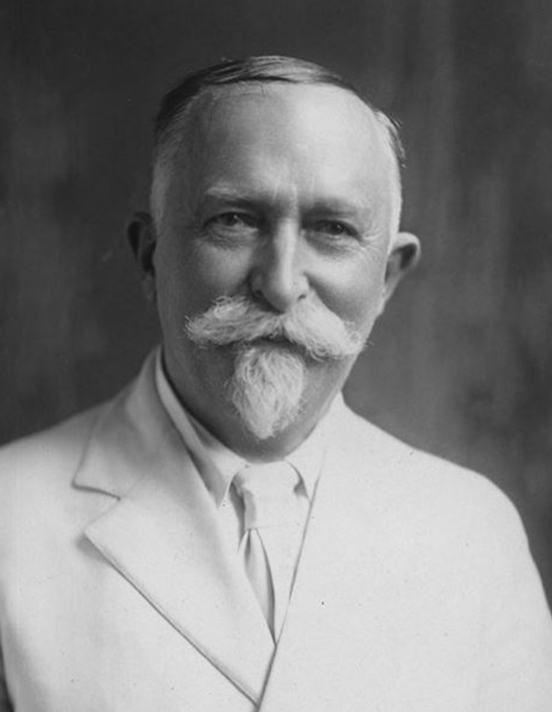
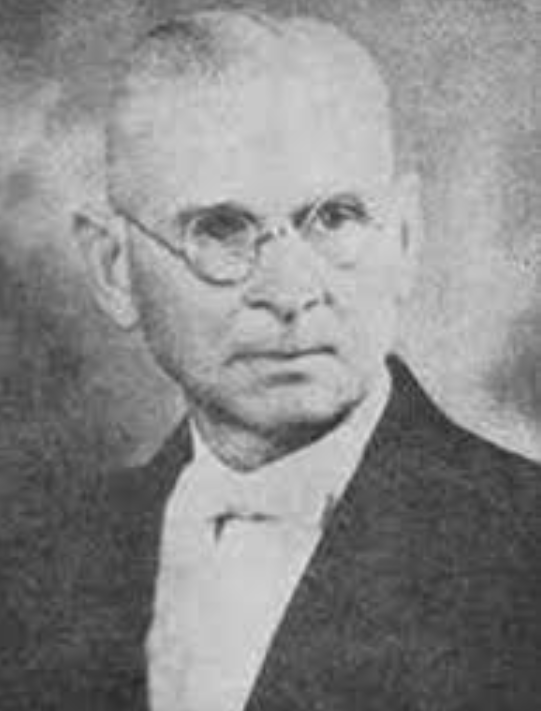
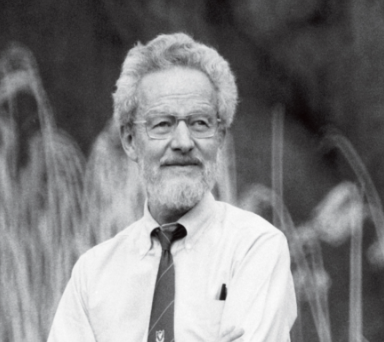
James Harvey Kellogg
Early Vegetarian, Creator of Corn Flakes & Other "Health Foods"1852-1943

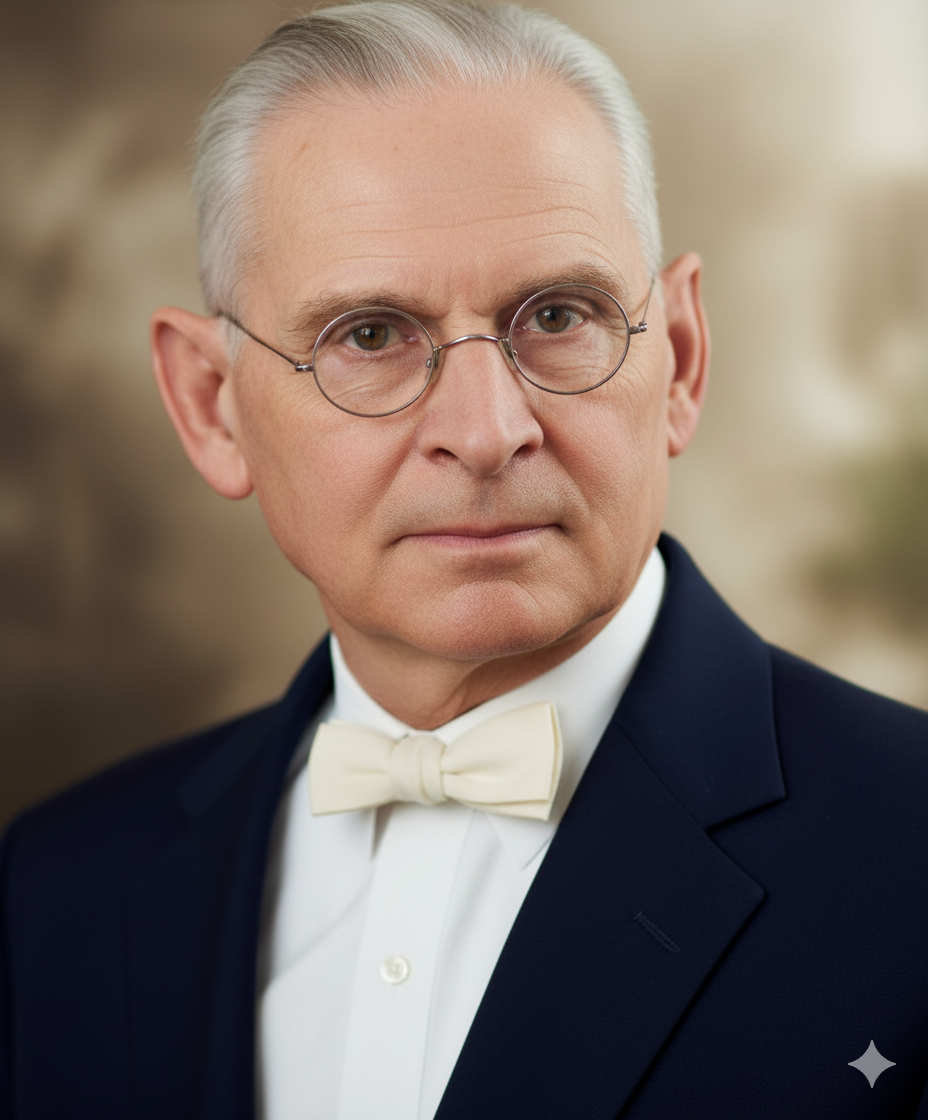
Jethro Kloss
Beloved Author of Back to Eden (1939)1877-1945
(A.I. Upscaled Image)

Adelle DavisInfluential nutritionist & Popular Author, Let's Eat Right to Keep fit (1954)
1904-1974
(A.i. Likeness Demo)

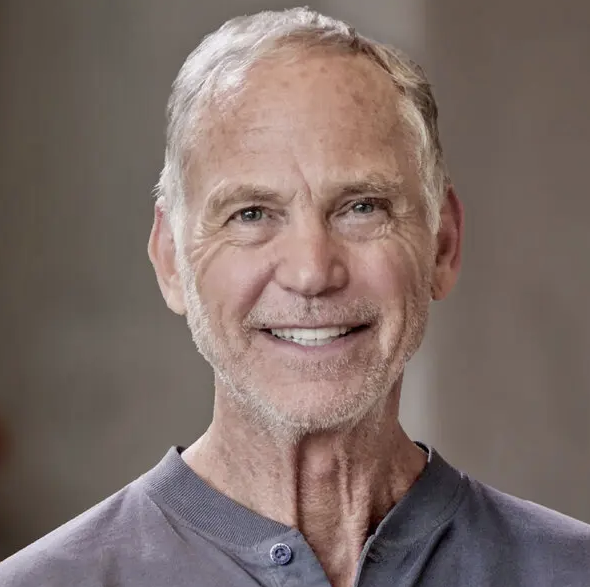
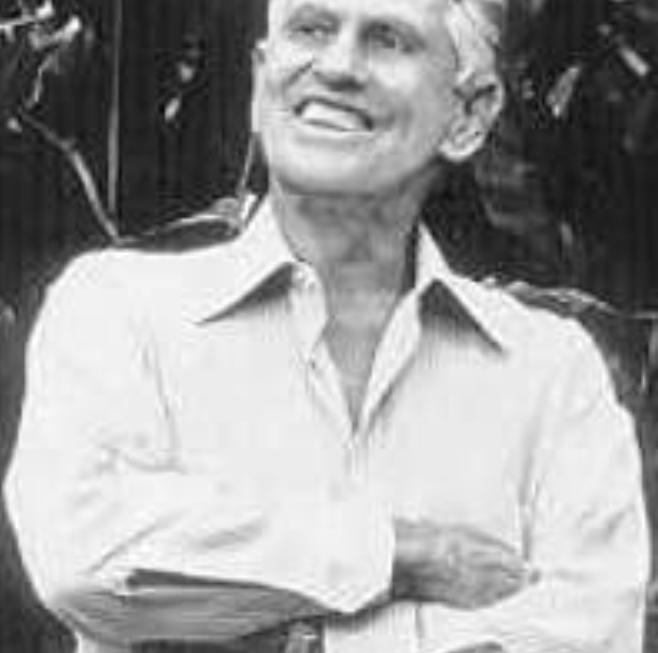
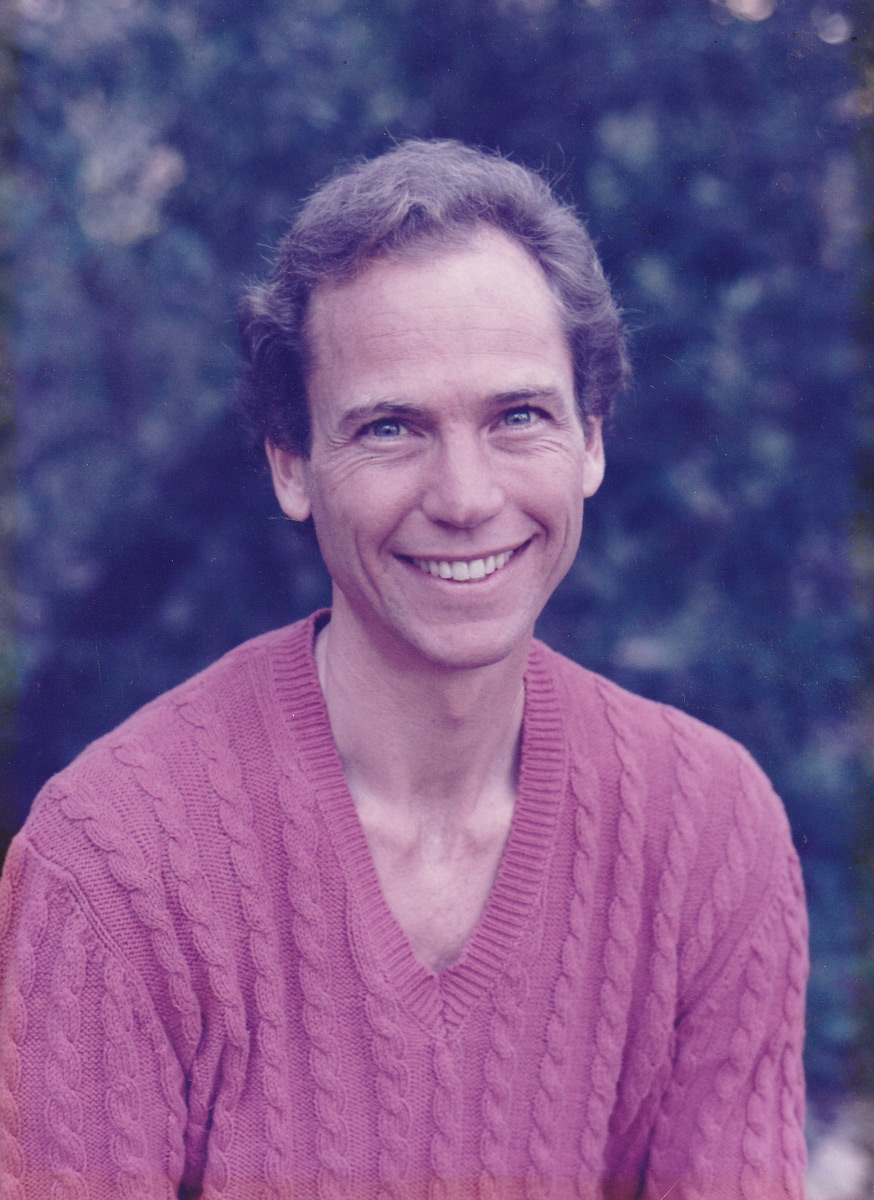
John RobbinsEnvironmental & Nutrition Activist & Author of Diet for a New America (1987)1947-2025

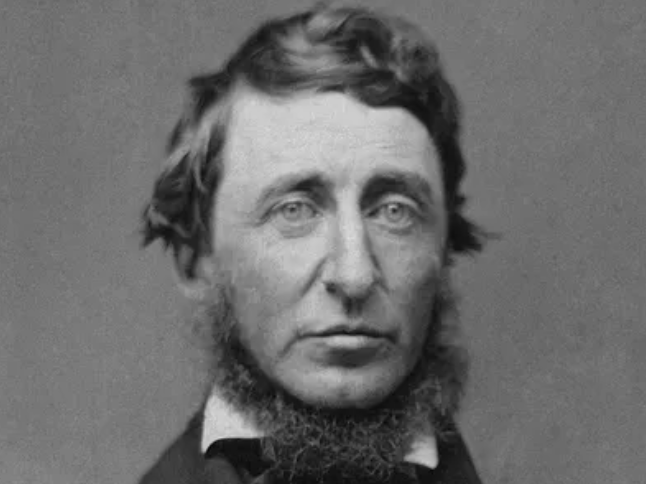
Henry David ThoreauThe great transcendentalist and author of Civil Disobedience (1849) and Walden (1854)1817-1862

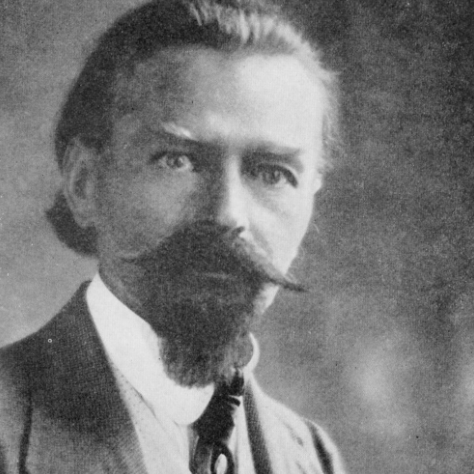
Arnold EhretWell-Known Author of Books on Fasting, the "Grape Cure" & Mucusless Diet1866-1922

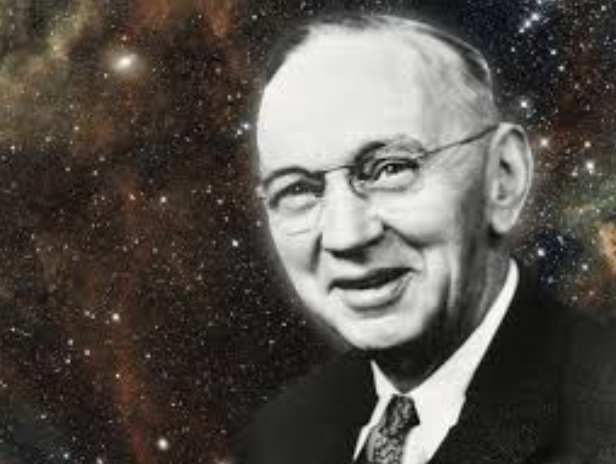
Edgar Cayce
The Famous "Sleeping Prophet" who Channeled Health & Dietary Advice1877-1945

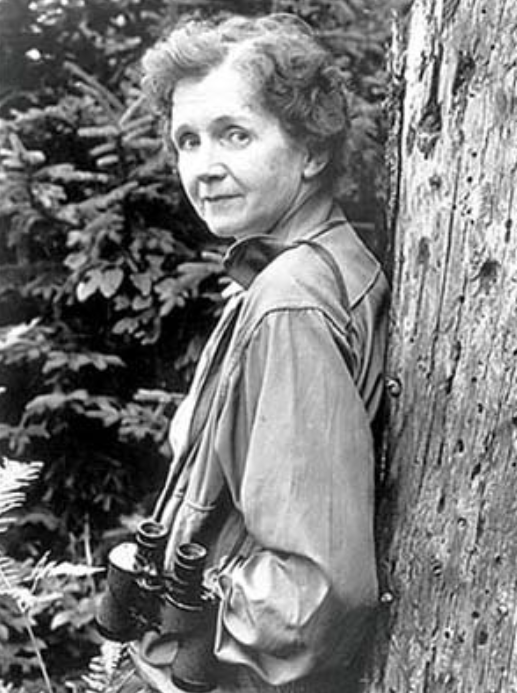
Rachel Carson
Well known Author & environmentalist, Silent Spring (1962)1907-1964

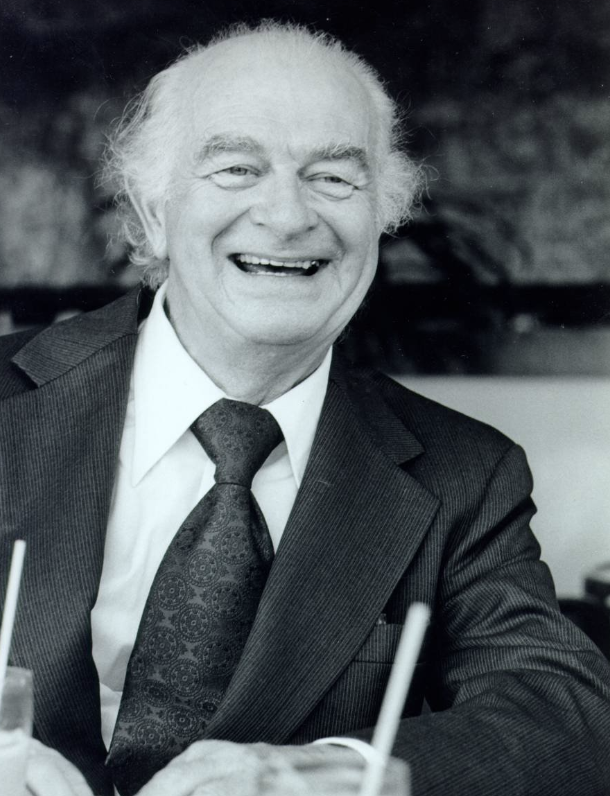
Linus Pauling2-Time Nobel Prize Winner & Vitamin C Advocate1901-1994

Paul Bragg
Tireless Promotor of Healthy Diet & Lifestyle1895-1976

James Irving (J.I.) Rodale
Early Organic Agriculture advocate, Rodale Institute1898-1971

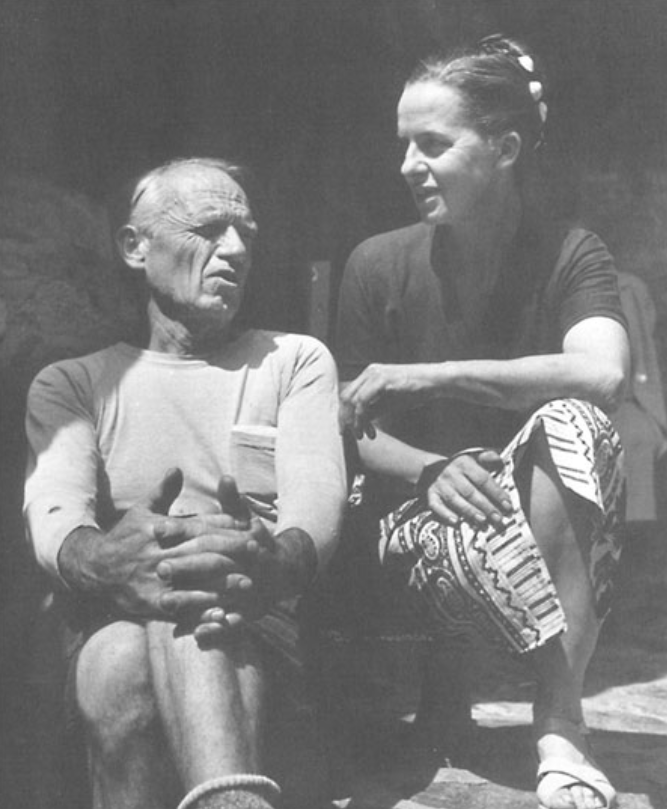
Helen & Scott Nearing
Big-city drop-outs and proponents of self-sufficient living. Authors of Living the Good Life (1954)1904-1995, 1883-1983

Frances Moore Lappe
Author of the influential book, Diet for a Small Planet (1971)B. 1971

The Untold History of America's Natural Food Movement
ITS ECCENTRICS, FANATICS,
AND VISIONARIES

A multi-episode documentary series featuring many of the world's leading experts on health food and natural health- exploring the history,  controversies and conspiracies around what and how Americans eat, nourish, and heal themselves.


Why Split Plate?

"...Most people could healthily double their sugar intake daily."
- Frederick Stare, 1974

"...Sugar is an addictive, destructive drug..."
- William Dufty, Sugar Blues, 1975

"...As for nutrition, there seems little agreement on anything."
- Harvey Levenstein, Revolution at the Table, 1988
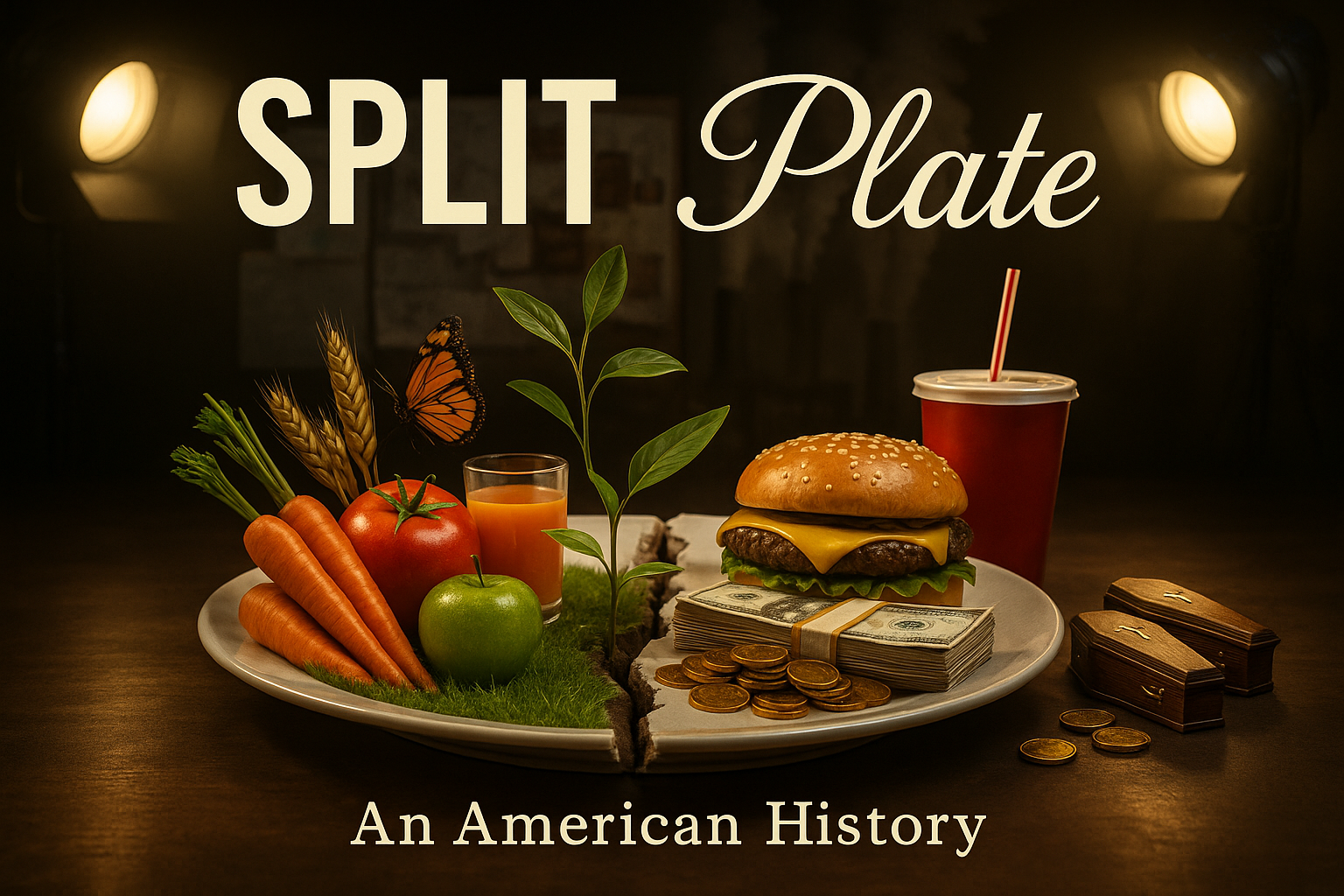
America has long had a divided approach to eating, and vastly different perspectives on how to maintain our health. Today the split between unhealthy food and healthy foods  has never been more obvious. Split Plate is the first series to document the history of how our food has become so polarized. Split Plate is also a history of America- seen through the lens of how food- and our too often conflicted relationship to it- has changed over time.
The title of this series, Split Plate, reflects the very different approaches to food choices that confront Americans every day, from what we put in our child’s lunch box to what we purchase at the ball park-or buy at Costco, Safeway, or Whole Foods. A couple of generations ago, only hippies and strange old timers bought and ate organic, natural foods. Today organic, "health food" has become a multi-billion dollar industry -and organic and "natural" products are being marketed by mainstream corporate food companies alongside their conventional brands.

What we choose to eat (or not eat) lies at the very heart of our personal identities. From “fast food” to “health food”  Split Plate offers a historical- and entertaining- look at the personalities and pioneers who influenced how- and what- we eat today.

Eccentrics, fanatics & visionaries

Split Plate is bringing the Eccentrics, Fanatics and Visionaries of the health-food movement back to life, celebrating the pioneering women and men who shaped America's modern natural food landscape.

Gallery of some characters from Split Plate

Henry David ThoreauThe great transcendentalist and author of Civil Disobedience (1849) and Walden (1854)1817-1862

Jethro Kloss
Pioneering Author of
"Back to Eden" (1939)
1877-1945

Adelle DavisInfluential nutritionist & Popular Author, Let's Eat Right to Keep fit (1954)
1904-1974
(A.i. Likeness Demo)

John Harvey Kellogg
Early Vegetarian, Surgeon, Creator of Corn Flakes & Other "Health Foods"1852-1943

Arnold EhretWell-Known Author of Books on Fasting, the "Grape Cure" & Mucusless Diet1866-1922

Rachel Carson
Beloved Author & environmentalist, "Silent Spring" (1962)1907-1964

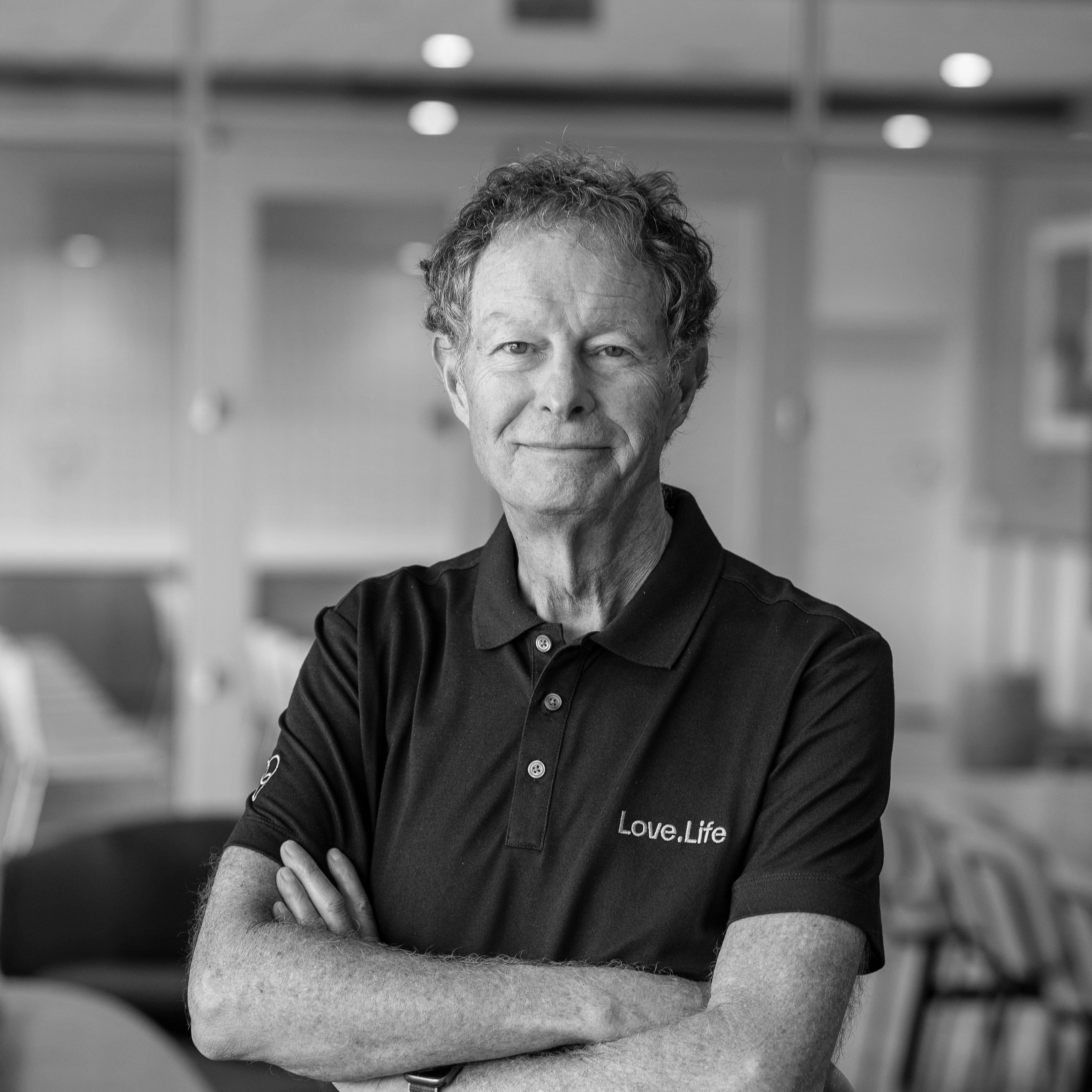
John MackeyWhole Foods Market co-founder & author of The Whole Story (2024)born 1953-present

Linus Pauling2-Time Nobel Prize Winner & Vitamin C Advocate1901-1994

Edgar Cayce
The Famous "Sleeping Prophet" who Channeled Health & Dietary Advice1877-1945

Paul Bragg
Tireless Promotor of Healthy Diet & Lifestyle1895-1976

James Irving (J.I.) Rodale
Early Organic Agriculture advocate & Publisher, Rodale Institute1898-1971

Helen & Scott Nearing
Big-city drop-outs and proponents of self-sufficient living. Authors of Living the Good Life (1954)1904-1995, 1883-1983

John RobbinsVegan, Environmental & Nutrition Activist & Author of Diet for a New America (1987)1947-2025

Frances Moore Lappé
Author of the influential book, Diet for a Small Planet (1971)born 1944 - present

America's
Split Plate
What we eat- And why

The Documentary Film Project

Split Plate: The Untold History of the Health Food Movement- It's Eccentrics, Fanatics, and Visionaries is an (in development) 10-part historical documentary series that follows the story of what is now known as the “health food” industry- and its broader relationship with the mainstream health and culinary cultures of America.

 Each episode is set against the backdrop of an ever-changing America. Using archival footage, as well as contemporary interviews with corporate CEOs, authors, influencers, scientists and others, Split Plate offers a fascinating historical perspective on “how we got here from there” -through the stories of some of the "eccentrics, fanatics, and visionaries" who trail-blazed the way and made possible healthier, and often more compassionate ways of eating, for ourselves, our loved ones, and the planet.

The series culminates with a hard look (over the last two episodes) at today's corporate food production technologies- agribusiness- and its effects- for better or for worse- on our personal and planetary health and well being.

The "eccentrics, fanatics, and visionaries" of Split Plate are of course the real stars of the series, and their colorful personalities, conviction and courage when facing uphill battles, legal obstacles, ridicule, and societal disapproval provide a very human touch to the themes and stories in the series. Split Plate is equally a cautionary tale and a story  of courage and hope, showing a way forward. in a rapidly changing world.
Some of the Hidden Agendas, Conflicts of Interest, and Challenges to Change
Organic vs. Chemical-based agriculture
• History of Vitamins -their discovery, adoption, and push back from the med/pharma establishment
• Botanical and Homeopathic medicine vs. the AMA medical establishment
• Food safety and consumer protection laws vs. agri-business and corporate interests
• Fluoride, margarine, aluminum, Teflon, artificial colors, preservatives, MSG, artificial sweeteners and more
• Vegetarianism and veganism- some of the surprising pioneers, authors, and early advocates.
• The Southern California  movement- juicing, muscle beach and the health and beauty icons of Hollywood
• The “anti” movements- anti-dairy, anti-gluten, anti-additives (colors, preservatives, synthetic hormones, more)
• The “New-trition” influencers: Raw foodists, and a new generation of conscious eaters
• Cholesterol & Heart Disease: Fact or Fiction?
• Fad diets through the ages
• Natural cures for cancer? Cooperation or competition?
• The Aspartame scandal- deep, dark, and dirty
• The GMOs, turf wars, and "Frankenfoods"
• PFOAs (Forever Chemicals) and the "century of chemicals"

Episode Guide

Episode 1:     The Early Days- An American Cuisine Emerges
Episode 2:  You Are What You Eat-Sanitariums and Cereal Barons
Episode 3:  Backlash- Eat, Drink, and be Wary
Episode 4:  Early Nutrition- A Science Emerges
Episode 5:   The Greening of America- Organic Agriculture, Herbalism, and Plant-Based Nutrition
Episode 6:  A Fast Food Nation Arrives- the Split Widens
Episode 7:  The Beat Goes on: Health Food, Hippies and the 60s
Episode 8:  Conscious Capitalism: From the Margins to the Mainstream
Episode 9:  Cracks in the Wall: The Great Poisoning Arrives
Episode 10:  The Future of Food: Challenges and Opportunities

Episode 1

The Early Days


An American Cuisine Emerges
_________________________________


A New World- the Abundance and Promise of America; the Land of Plenty

Native American contributions

European Roots-Herbal Medicine

Manifest Destiny and Amber Waves of Grain

Whitman, Thoreau and Walden Pond

Samuel Thomson and the Eclectic Medical Movement

Diet and That Old Time Religion (Mary Baker Eddy, The Seventh Day Adventists, and more)

Episode 2

You Are What You Eat

Sanitariums and The Cereal Barons
_________________________________


Corn Flake Wars  (Kellogg, Post, and other flakes)

The Hygiene Movement- Kellogg, Graham, Tilden, Shelton

Body Love: The One and Only Bernarr Macfadden

Vegetarianism- William and Louisa May Alcott and the early years  

Homeopathy- an alternative paradigm, and a threat to the medical monopoly

The Amazing Arnold Ehret and his Mucusless Healing Diet


Episode 3

Pushback


Eat, Drink, and be Wary
_________________________________


The food-safety crusades of Harvey Wiley and the creation of The Pure Food and Drug Act (1906)

100 Million Guinea Pigs

The FDA and the Delaney Act

The Medical Mussolini

Upton Sinclair: muckraker, social activist, and vegetarian

Arsenic Apples and Lead Fruit- the first pesticides

The AMA and the Flexner report changes the American health landscape forever

Episode 4

Early Nutrition


A Science Emerges
_________________________________


Show us your teeth: The world travels of Weston Price, DDS

Vitamania: Hope, hype, and a nutrition revolution

The Naysayers: Frederick Stare, Victor Herbert, and sugar coated science

Cyclamates and Saccharin- sweet and hazardous to your health

The bizarre saga of Fluoride and America's water supply

Linus Pauling PhD and Roger Williams, PhD- the scientific nutritional heavy weights behind orthomolecular medicine

Edgar Cayce- The Sleeping Prophet and his "channeled" nutrition advice

Episode 5

The Greening of America

Herbalism and Plant Medicine
_________________________________


Influential herbalists: John Christopher, Rosemary Gladstar, Susan Weed, Ryan Drum, Brigitte Mars, Michael Tierra, John Christopher

Mark Blumenthal (ABC), James Duke and the legitimization of botanical science

Michael and Martha Volchok (early herbal entrepreneurs)

Frances Moore Lappe and John Robbins

Gary Hirschberg, Paul Hawken, Michael Pollan

Paul Stamets and the mushroom revolution

Cannanaboids and psychedelics

Episode 6

In the Shadow of the Giants

A Fast Food Nation Arrives & The Split Widens
_________________________________


Golden Arches and Drive-Ins

California Dreaming: Muscle Beach and Hollywood (Jack LaLanne, Paul Bragg, Gypsy Boots, Gloria Swanson)

Garbo’s Guru (Gayelord Hauser)

Adelle Davis, best selling author and superstar advocate

The Organic Movement Finds its Voice: J.I. Rodale Inspires Everyday Gardeners

Rachel Carson’s Silent Spring

The untold story behind Monosodium Glutamate (MSG)

The first “super” foods- bee pollen, wheat germ, carrot juice, nutritional yeast, spirulina, and more.

Episode 7

The ‘60s- Back to Eden


Hippies, Health Food and Revolution
_________________________________


The Beat goes on: Hippies and the ‘back to the land’ movement

Living the Good Life: the story of Helen and Scott Nearing

Mother Earth News

Diet for a Small Planet- Frances Moore Lappe
John Robbins- Diet for a New America

Sugar Blues – William Dufty

Kushi and the Macrobiotic Revolution: brown rice, seaweed, and tofu, oh my!

The Celestial Seasonings story, White Wave,  and the  new health food entrepreneurs

Episode 8

Conscious Capitalism


From the Margins to the Mainstream
_________________________________


Early health food stores (and early vitamin and health food companies)

Early health food stores in Southern California

Natural Grocers- founded in 1955 (Lakewood, Colorado) and still going strong

Bolder Boulder and the Colorado connection (Celestial Seasonings, White Wave, Rainbow Grocery, Alfalfas, Wild Oats, etc)

John Mackey and the founding and growth of Whole Foods Market

Mackey’s concept of “conscious capitalism”

The next wave: entrepreneurship and natural health

Episode 9

Cracks in the Wall

The Great Poisoning Arrives
___________________________________


Silent Spring- Rachel Carson touches off a firestorm. A new divide hardens. And the relationships between health, food, and environmentalism crystallizes.

The great Cranberry scare of 1959
Poisoned (Alar) apples anyone? (1989)

Love Canal (1978)

Excitotoxins- MSG and Aspartame

Dupont, Teflon, and “forever chemicals” (Hoosick Falls, NY, 2014-2016)

A slew of warnings forebodings, and tragedies: Bhopal (1984), Three-Mile Island (1979), Chernobyl (1986)

Mad Cow Disease (1996)

Tryptophan/EMS (eosinophilia myalgia syndrome), 1989

Glyphosate, GMOs,  and Frankenfoods

Catherine Austin Fitts and “The Great Poisoning”

Episode 10

The Future of Food

Challenges and Opportunities

__________________________________

Jeffrey Bland, Ph.D. on the human genome, "functional medicine" and the frontiers of nutrition

Mark Hyman, M.D. on the promise of functional foods
 
Vandana Shiva- saving farmers- worldwide

Catherine Austin Fitts and “The Great Poisoning”

Food Sovereignty vs  Control Grids, consumer choices and personal freedom

Food Pharma

Transparency and human level scale

Vegan America

John Robbins (Diet for a New America)

Charles Eisentein (The More Beautiful World Our Hearts Know is Possible)

William Tuttle and the World Peace Diet

Browse episode topics and short summaries.

Phone Bubble
We are currently looking for filmmakers and producers to join us in bringing Split Plate: The Untold History of America's Health Food Movement to life.
Contact Us


Episode Guide

Browse episode topics and short summaries.

Episode One:     The Early Days- An American Cuisine Emerges
Episode Two:  You Are What You Eat-Sanitariums and Cereal Barons
Episode Three:  Backlash- Eat, Drink, and be Wary
Episode Four:  Early Nutrition- A Science Emerges
Episode Five:  A Fast Food Nation Arrives- the Split Widens
Episode Six:  The Beat Goes on: Health Food, Hippies and the 60s.
Episode Seven:   The Greening of America- Organic Agriculture and Plant-Based Nutrition
Episode Eight:  The "Newtrition" and The Future of Food

Episode 1
The Early Days:

An American Cuisine Emerges
_________________________________

A new world- the abundance and promise of America; fertility of the land

Native American contributions

European Roots

Manifest Destiny

Thoreau and Walden Pond

The Alcotts

That Old Time Religion (Mary Baker Eddy, The Seventh Day Adventists, and more)

Episode 2
You are what you eat:

Sanitariums and The Cereal Barons
________________________________

Corn Flake Wars  (Kellogg, Post, and Graham- and other flakes)

The Hygiene Movement

Vegetarianism- the early years

Homeopathy- an alternative paradigm, and a threat to the medical monopoly

The Amazing Arnold Ehret

Episode 3
Backlash-

Drink, and be Wary
_________________________________

The crusade of Harvey Wiley

100 Million Guinea Pigs

The FDA and Delaney

The Medical Mussolini

Upton Sinclair

Arsenic Apples and Lead Fruit- the first pesticides

Flexner report

Episode 4
Early Nutrition:

A Science Emerges
_________________________________

Show us your teeth: The world travels of Weston Price, DDS

Vitamania: Hope, hype, and the nutrition revolution

The Naysayers: Frederick Stare, Victor Herbert, and sugar coated science

Cyclamates and Saccharin- sweet and dangerous

Linus Pauling PhD and Roger Williams, PhD- scientific nutritional heavy weights

Edgar Cayce- The Sleeping Prophet's Nutrition

Episode 5
In the Shadow of the Giants:

A Fast Food Nation Arrives- The Split Widens
_________________________________

Golden Arches and Drive-Ins

California Dreaming: Muscle Beach and Hollywood (Jack LaLanne, Paul Bragg, Gypsy Boots, Gloria Swanson)

Garbo’s Guru

Adelle Davis, Superstar

The Organic Movement Finds its Voice: J.I. Rodale Inspires Everyday Gardeners

Rachel Carson’s Silent Spring

The first “super” foods- bee pollen, wheat germ, carrot juice, nutritional yeast, more.

Episode 6
The ‘60s- Back to Eden:

Hippies, Health Food and Revolution
_________________________________

The Beat goes on: Hippies and the ‘back to the land’ movement

Living the Good Life: the story of Helen and Scott Nearing

Mother Earth News

Diet for a Small Planet- Frances Moore Lappe
John Robbins- Diet for a New America

Sugar Blues – William Dufty

Kushi and the Macrobiotic Revolution: brown rice, seaweed, and tofu, oh my!

The Celestial Seasonings story and the fresh new health food entrepreneurs

Episode 7
The Greening of America:

Herbalism and Plant Medicine
_________________________________

Andrew Weil, M.D.Christopher Hobbs

Rosemary Gladstar -Plantsavers

Ryan Drum- the seaweed revolution

Brigitte Mars interview

Anne Wigmore -wheatgrass juice and the cure for everything

Michael Blumenthal (ABC) Botanical science

Michael and Martha Volchok (entrepreneurs)

Paul Stamets’ mushroom revolution

Cannanaboids and psychedelics

Episode 8
The Future of Food

Where Are We Heading?
_________________________________

Aspartame, Frankenfoods, GMOs, and Corporate Agribusiness

Oprah vs the Cattlemen

Co-opting of Organic

Whole Foods Eats the World

Where America shops: Costco goes organic

"Newtrition": An Interview with Dr. Jeffrey Bland

Dr. Will Tuttle, Ph.D. and the World Peace Diet

Expanded Episode
Treatments

Heart Lock
Please contact us for access to our expanded episode treatments, which is reserved for producers and other potential partners. Help bring this unique and fascinating story to life!
Contact Us

Episode One

The Early Days:
An American Cuisine Emerges

Episode One: Introduces the viewer to the emergence of a new nation- and a new, distinctly American cuisine. Early settlers found on the shores of this new continent a veritable Eden- a land unspoiled and blessed with seemingly endless fertile lands, and immediately encountered indigenous peoples who had long mastered the ability to hunt, forage, grow and cultivate a wide variety of foods, all grown naturally and seemingly effortlessly. The writings of early colonists abound with wonder at the rivers teeming with fish, birds in Edenesque abundance, the forests filled with deer, and what emerged was a uniquely American ethic about the land, mixed with a pioneering spirit and a seemingly endless and often ruthless quest to “conquer” and exploit it, along with its indigenous inhabitants. In fact we see the first known instance of the paradoxical and deeply cynical use of food as an agent of war- by intentionally slaughtering the First Nation’s primary food source- the buffalo- as a way to starve them to death, while simultaneously destroying their way of life. This was all part of the policy, spoken and unspoken, known as “Manifest Destiny”- the innate entitlement of the overwhelmingly white European colonists to mold, shape, and conquer an entire continent- from sea to shining sea- with its vast, seemingly endless fertile prairies- long before they became “amber waves of grain”.

Episode One (Cont.)

The Early Days:
An American Cuisine Emerges

Thus began an outlook that would carry over into all facets of the great American experiment. Episode One then turns to some important early American voices-in particular  the great writer and Transcendentalist Henry David Thoreau, who in his classic 1854 book, Walden, espoused the values of simple, honest living and an adherence to the examples of a good life grounded in the examples of nature.. Another great expounder of nature and food as a metaphor for living a full, and sensually awake life, was the early American poet, Walt Whitman. Finally, Episode One turns to the early writings and influence of some of the more important food-related religious-based beliefs as promoted by prominent voices such as Mary Baker Eddy (founder of Christian Science c. 1875) and Ellen G. White (her 1863- Counsels on Diet and Foods- became a kind of mission statement behind the early Adventist movement)- pointing out the connection between “the food we eat and our own physical and spiritual welfare”. The episode concludes with the notion that In essence all American food was originally organic and natural. Pesticides were unknown and not needed or desired. America’s early food choices all fit on the same plate. There was as yet no real split.  But there were storm clouds brewing and hints of division ahead….

Episode Two

You Are What You Eat-
Sanitariums and Cereal Barons

Episode Two: takes us into the amusing and interesting world of the early 1900s and the three men who I call, “the cereal barons”: John Harvey Kellogg (of Battlecreek, Michigan fame), C.W. Post, and Sylvester Graham (the original graham crackers were billed as health foods) were fierce competitors (Post actually moved his rival cornflake enterprise to Battlecreek to directly compete with Kellogg). Kellogg, Post and Graham were among the very first entrepreneurs diving headfirst into the “health food business”. In fact, Kellogg opened and ran a world famous “sanitarium” where paying customers (including many of the wealthiest and foremost celebrities of the roaring ‘20s) went to “take the cure”- and submit themselves to the rigors of his spartan vegetarian diet and sexless lifestyle to cure themselves of “autointoxication”. (The 1994 comedy film, The Road to Wellville is based on T.C. Boyle’s hilarious spoof of Kellogg’s sanitarium and the shenanigans that went on there. Highly recommended.) This episode also covers “The Hygiene Movement” which was (and still is) an important approach to diet and health based on raw food vegetarian principles. It had numerous key advocates and spokespersons back in its heyday and is still highly regarded by some as a paragon of healthful living. This episode also covers the amazing Arnold Ehret, a charismatic and compelling lecturer and author who is still in print and who advocated “a mucusless healing diet”, “the grape cure”, and fasting, fasting, fasting. Ehret was a fascinating, magnetic/hypnotic character with a mesmerizing look and an almost devilish Van Dyke who stares out from his book covers to this day. (Ehret’s books were a big hit with many of the early hippie back-to-the landers in the late 60s and early 70s, when I was first exposed to him.)Keeping with the theme of the episode, we then turn to the early days of the budding (pun intended) vegetarian movement, which had many surprising and famous advocates and promoters.

Episode Three

Backlash:
Eat, Drink, and be Wary

Episode Three: Brings food- in particular the relatively newly promoted commercial foods -squarely in conflict with a newfound regulatory zeal to protect the public. This episode features the indominable Harvey W. Wiley, an early chemist and crusader for keeping newfangled contaminants- and potential poisons- out of the American food supply. Wiley headed up the “Bureau of Chemistry” the direct precursor to the present FDA and tirelessly campaigned against food additives, preservatives, and other nefarious chemicals. This marked the beginning of what came to be known as “food laws” – essentially trying to bring order- and accountability- to the heretofore wild west of commercial food- which was strongly suspected of being a major threat to the health of an unsuspecting public in need of protection. This episode (along with some of Episode Two) really marks the beginning of the “split” in the American diet- legally as well as philosophically. This episode also mentions the great early twentieth century muckraking journalist, Upton Sinclair, who was an ardent vegetarian activist in addition to some of his other notable views.

Episode Three (Cont.)

Backlash:
Eat, Drink, and be Wary

His famous bestseller, The Jungle (published in 1906) highlighted the horrendous conditions in the nation’s meatpacking industry, and directly led to the Pure Food and Drug Act (1906) and the Federal Meat Inspection Act (1906). This episode then looks at “arsenic apples and lead fruit” which highlights further the changes brought by the earliest versions of pesticides- and further highlighted the distinction between naturally grown vs adulterated foods for an increasingly worried and vigilant population. The book, 100,000,000 Guinea Pigs by Arthur Kallet and F.J. Schlink, (1933) with the telling subtitle, Dangers in Everyday Foods, Drugs, and Cosmetics further testifies to the widening split between health-conscious consumers and the corporate profit motives and outright negligence of emerging companies and brands. Next, the “sleeping prophet” the great seer and clairvoyant, Edgar Cayce is looked at for his contributions and “channeled” insights into healthy food and eating. Finally, the infamous Flexner report is mentioned, which was a commissioned “hatchet job” by the young AMA against the homeopathists. While not directly food related, the Flexner report underscores the growing divide and jockeying for power and influence in America that would have repercussions for food and natural lifestyles for decades to come. 

Episode Four

Early Nutrition:
A Science Emerges

This episode is a fun dive into the rapidly and newly developing science of nutrition that really began to take off in the 1920s, 30s, and 40s. The episode begins with a look at the world travels of Weston Price, dentist and author who wrote the extremely influential book, Nutrition and Physical Degeneration, in 1939. Price traveled around the world, taking photographs and measurements of people’s mouths, documenting and comparing the dental health of people around the world eating traditional (healthier) diets versus their counterparts in cities eating “modern” foods, with a lot of sugar and white flour. The book is still in print and influential to this day. Next we turn to the fascinating journey of hard work and scientific sleuthing that led to the discovery of the major vitamins. Huge quantities of raw foods had to be painstakingly teased apart to isolate the seemingly magical “vital amines” that were thought to prevent many diseases, including beri beri, scurvy, and others. Equally interesting is how the early natural vitamins were marketed, sold, and advertised as miracle cures. I call this segment “Hope, hype, and the nutrition revolution”. The next portion of this episode covers “the naysayers”- the corporate-conflicted hired guns of the sugar industry, including the infamous Frederick Stare, chair of the nutrition department at Harvard University, and defender and advocate of eating more , not less sugar, as a healthy food.

Episode Four (Cont.)

Early Nutrition:
A Science Emerges

Shameless corporate shills such as Stare and Victor Herbert represented the junk food and fast food industry’s “counter offensive” against the claims of the health foodists as they pitched an unrelenting war against the health food movement, ridiculing vitamins and healthy foods at every opportunity. Continuing the theme started by mentioning sugar, we then look at the history, development and promotion of the first artificial sweeteners; first, the chemical called sodium cyclamate (present in the very first “diet” soda, Tab, (and quickly pulled due to its strong cancer causing effects) and then sodium saccharin, similarly shown to be carcinogenic and dangerous. Now we have aspartame, aka, “Nutrasweettm” which is well researched for its neurotoxic effects on the brain and which is a probable contributor to the epidemic of ADD and other learning and behavioral disabilities we encounter in such large numbers these days. Trying to “fool mother nature” by inventing artificial sweeteners turns out to have been a colossal mistake! As the saying goes, “there’s no such thing as a free lunch”! Finally this episode looks at two of the greatest scientific minds to ever wrestle with nutrition- Linus Pauling (the only person to ever win two Nobel prizes) and his compatriot, Roger Williams, both brilliant chemists. Pauling would go on to look at the amazing importance and health benefits of mega doses of vitamin C, and Williams would pioneer the groundbreaking insight known as “biochemical individuality”. Both scientists lived healthily and productively well into their 90s, practicing what they preached!

Episode Five

The Greening of America:
Organic Agriculture
and Plant-Based Nutrition

This episode opens with an extensive visit to Emmaus, Pennsylvania, home  for many, many years of the Rodale Institute, ground zero for the organic farming movement. This episode will focus on the many pioneers-farmers, agriculturists and soil scientists- who bucked the chemical system- and today’s food scientists, and progressive, organic agriculturalists who are championing and paving the way for an ever more organic future for food production. A look at modern chemical intensive agriculture will provide insight into the dramatic “split” in these two diametrically opposed agricultural growing philosophies. Rachel Carson's 1962 classic warning about DDT, Silent Spring is featured as well as the publishing empire of J.I. Rodale and the writings of other prominent environmental voices such as Aldo Leopold and his influential Sand County Almanac.

The second half of this episode will focus on the history of the American herbal/botanical healing movement as well as key spokespeople and influencers in the contemporary plant-based food movement. We will also feature prominent herbalists (such as Boulder based herbalist and author Brigitte Mars) , entrepreneurs and botanical (plant medicine) experts including leading mushroom (for food and medicine) expert, Paul Stamets as well as medical and nutrition gurus such as Andrew Weil, M.D. 

Episode Six

A Fast Food Nation Arrives:
the Split Widens

This episode starts with a look at “Golden Arches and Drive-Ins”- the transformation of the American automobile-centric landscape into a unique, newly American style of food consumption in the 1950s. Voila, behold the birth of the “fast food nation”, the defining ethos of modern food to this day! This episode focuses a lot on California. We travel to “Muscle Beach” the Southern California body-building culture that fully embraced health food in the 40s, 50s and early 60s in a whole new way. Hollywood quickly got on board, with famous actors and actresses joining the health (and youth-prolonging and beauty- promoting) virtues of natural eating. Notable Hollywood healthy eating pioneers  Gloria Swanson and Greta Garbo among others, and the health and fitness gurus, Jack LaLanne, his teacher Paul Bragg, Gypsy Boots, and the  influential California Naturopath, Bernard Jensen are also among those “eccentrics, fanatics, and visionaries”.A big focus of this episode goes to the iconic California nutrition author, tireless advocate, and nutrition guru extraordinaire, the one and only Adelle Davis, and her books and writings, who single handedly kept the flickering flame of nutrition alive “in the shadow of the giants”. Davis’s writings would go on to be highly influential to the first hippie experimenters. This episode also looks at the ever widening split as we look at, on the one hand, diet Tab, Tang, baloney, Ovaltine and TV dinners and on the other, the first true “superfoods”- bee pollen, wheat germ, carrot juice, nutritional yeast, and others. This was the era where chemical "manipulation" of foods really became widely available to the majority of Americans, who began consuming chemicals such as hydrogenated vegetable oils, monosodium glutamate, and a whole array of artificial and additive-filled foods as well as fluoridated water, soft-drinks and a huge uptick in sugar consumption.

Episode seven

The Beat Goes On:
The 60s Go ‘Back to Eden’-
and the Plate Splits Open

Episode six opens with a look at the cultural phenomenon of the hippies and “the back to the land” movement with its experimental communes and exploration of all things natural and alternative, including growing, cooking, and eating food. An important guide book for many of society’s drop outs was the still-in-print 1939 book, Back to Eden.We then look at the remarkable lives and example of Helen and Scott Nearing, a successful intellectual couple (Scott was a Socialist economics professor at a university in New York in the 1920s and 1930s) who were among the first “drop outs” who left New York city life behind and moved to rural Vermont and built and homesteaded to show that one could live a life of meaning and value without compromise. Helen wrote about their lifestyle, (of which growing and putting up naturally grown food was a key component) in several books that were avidly read and studied by many hippies, called Living the Good Life along with several others. Over the years, many hippies made the pilgrimage to Vermont to study and pay homage to these elder mentors.

Episode Seven (Cont.)

The Beat Goes On:
The 60s Go ‘Back to Eden’-
and the Plate Splits Open

Other important influences and natural food and lifestyle promoting resources  of the times were the magazines, Mother Earth News, the Whole Earth Catalog, and the Rodale publications including the iconic Organic Gardening and Farming, which counted both hippies and “straight” folks alike from all across mainstream America who were into having home gardens and orchards. Rodale had everyone eating off the same plate!This episode then looks at some other influential health food related events of the times, including the landmark publications of the books, Sugar Blues  and the enormously important books, Diet for a Small Planet by Frances Moore Lappe, and Baskin and Robbins scion and anti-dairy vegetarian advocate John Robbins’ Diet for a New America. Lappe’s book for example, was the first to demonstrate the concept of complementary protein coming from different vegetarian sources, showing that a vegetarian diet could provide similar amino acid profiles to meat. It was nothing less than a revelation and a true sensation and fueled a huge boost in the credibility of vegetarianism as a valid way of life.This episode also touches on the Macrobiotic revolution- and the import of traditional Japanese health foods including soon-to-become staples including brown rice, tofu, and seaweed- oh my!The episode on the 60s concludes with a look at the Celestial Seasonings story- from humble beginnings in Boulder, Colorado to herbal tea empire and  forerunner of so many new entrepreneurial ventures in the health food world. 

Episode Eight

Conscious Capitalism: From the Margins to the Mainstream

Episode 8 starts with a quick look of shoppers going down aisles at a large modern health food store. After a brief exploration of early health food stores in southern California and elsewhere we then take a look at several early businesses such as pioneering purveyors of vitamins and specific health foods- several of which are still in existence. 

Next we quickly cover the earliest health food stores in (where else?) Southern California (1930s and later).  Next we move to Lakewood, Colorado (suburb of Denver) and briefly touch in on the founding of Vitamin Cottage (now known as Natural Grocers) in 1955 by Margaret Isely and her husband, selling door to door before opening their first store. 

Episode Eight (Cont.)

Conscious Capitalism: From the Margins to the Mainstream

The episode then shifts to the main topic of the episode, the founding of Whole Foods Market- as seen through the lens of John Mackey’s book, The Whole Story (2024). This weaves in the earliest beginnings of Whole Foods Market from its unlikely origins in Austin, Texas as Safer Way in 1978 through its expansion through smart acquisitions, market timing, and good old fashioned intuitive business sense. 

Mackey’s understanding of market economics and shifting consumer preferences and patterns around more conscious eating ultimately led him to formulate his principled articulation of “conscious capitalism”. 

The episode also travels to Anaheim, California for the annual Natural Foods Expo- the largest health food expo in the world, where thousands of iconic, well-established health food companies as well as mom and pop hopefuls and entrepreneurs gather to showcase their newest products, brands, and innovations. This is conceived of as an interview-laden episode that highlights the modern, contemporary economic environment- and positive contributions- of the current health food industry, from manufacturers to retailers.

Episode Nine

Cracks in the Wall: The Great Poisoning Arrives

Episode 9 starts with a retrospective look at the life and legacy of Rachel Carson, the famously influential author of Silent Spring. Her 1962 classic brought nature, health, and the environment into American consciousness in a groundbreaking way that has had repercussions to the present day. 

The episode then does a quick overview and review of the most important environmental catastrophes since Silent Spring, including Love Canal , Bhopal, Three Mile Island, The Exxon Valdez oil spill, Chernobyl, Deep Water Horizon oil spill, Hoosick Falls contamination by PFOAs and others and draws the parallels with the contamination of food with pesticides and other chemicals. 

The episode’s transition to modern agribusiness is made through mention of Mad Cow Disease, the late 1980s Tryptophan scare (debunked) the dark history of Aspartame (Nutrasweet), and more recently, GMOs and “Frankenfoods”.  

Episode Nine (Cont.)

Cracks in the Wall: The Great Poisoning Arrives

These catastrophic events are seen as part of a larger pattern of consequences that Catherine Austin Fitts eloquently explains as “The Great Poisoning”. An exclusive interview with Fitts cements  the episode with her discussing how large corporations, particularly agribusiness and global financial institutions concentrate wealth and power (i.e. food) at the expense of communities and the environment. 

The episode concludes on a more positive note as Fitts outlines solutions and hopeful strategies including decentralization of food supplies, more local control over food production and distribution, increasing self-sufficiency, and more transparency. Fitts links food system health with personal sovereignty, environmental responsibility and stewardship, and financial integrity.

Episode Ten

Cracks in the Wall: The Great Poisoning Arrives

In our final episode we look to the future, and the trajectory we are on, from the vantage of the past. Episode takes a close look at where we are today, taking into account the many technological changes that are affecting all aspects of modern life, including food production.

We start with interviews with Dr Jeffrey Bland, Ph.D., the leading pioneer in the field of “functional medicine” and Dr. Mark Hyman, M.D. Both discuss the important relationships of diet and nutrition with human health, and comment on the opportunities that lie ahead as we take a more holistic approach to disease prevention as well as treatment of many present day maladies.

We then look more closely at the world of agribusiness- from GMOs to “terminator” seeds to herbicides such as Glyphosate (Roundup). An exclusive interview with internationally renowned advocate for sustainable agriculture and the rights of small scale farmers.

Episode Ten (Cont.)

Cracks in the Wall: The Great Poisoning Arrives

From there we return to the insightful perspective of Catherine Austin Fitts, discussing “food sovereignty”, consumer choices, local food control, Food Pharma, transparency, and scale, with an emphasis on opportunities and solutions. 

The next important segment in our “future of food” episode is a thoughtful and measured look at Veganism as a practical reality as well as the ethical imperative at the heart of it. We look at the legacy of John Robbins (Diet for a New America).

The final segment is a look at the work of Charles Eisenstein (The More Beautiful World Our Hearts Know is Possible) and William Tuttle, Ph.D. (The World Peace Diet), signaling a journey that points towards peace, reconciliation, and environmental rehabilitation.